Don’t Toss Wilting Valentine Roses
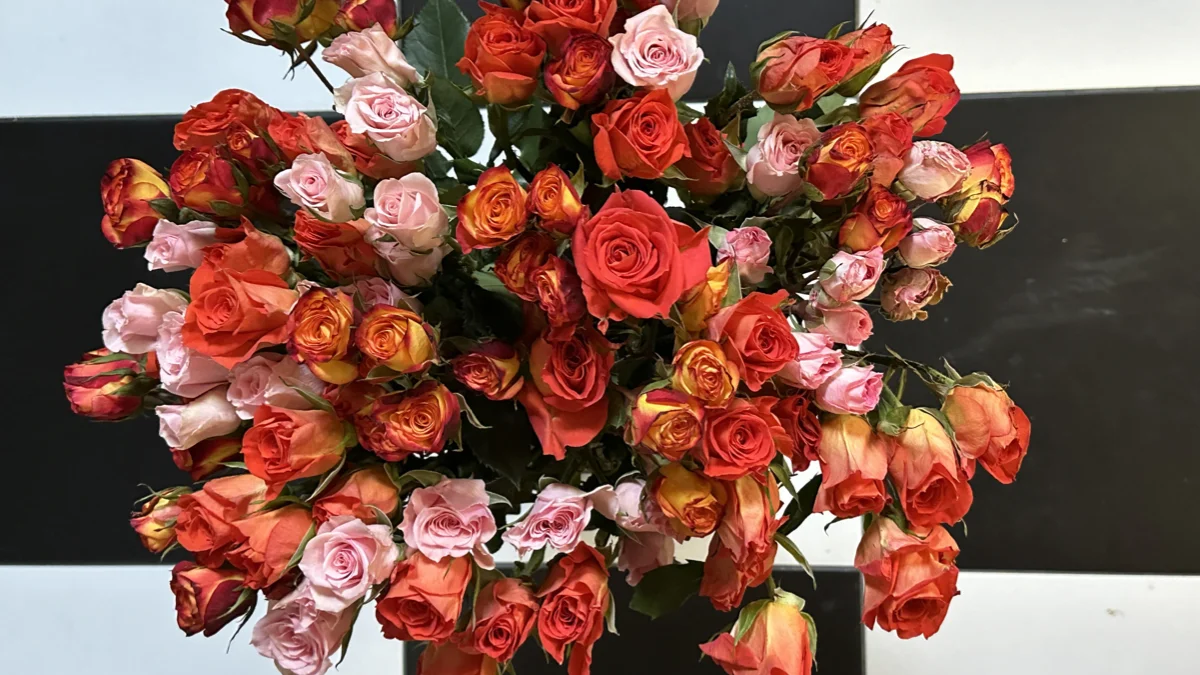
How to repurpose drooping roses, from handmade rosewater for culinary, aesthetic or household uses, to rose-infused honey or syrups for sweet treats, beverages, and beyond.
As Roses Start To Fade
Valentine’s Day comes unhurriedly with red ribbons, handwritten notes, heart-shaped packages, and bundles of roses. We arrange vases. We cut stems. We inhale that unmistakable scent that embodies love made tangible.
And then, after a few days, the petals start to droop.
The tips darken a bit. The flowers lower their heads. Water becomes cloudy in the vase.
Most individuals discard them.
But I never do.
Because when roses start to fade, they are not over. They are evolving.
And that, perhaps, is the most genuine love story of all.
Today, I am excited to reveal the various methods to repurpose Valentine’s roses, converting fading petals into rosewater for desserts or beauty applications, potpourri for the home, infused honey, and exquisite culinary creations that continue to carry their aroma.
If you’ve ever been curious about what to do with wilted roses, this is your opportunity to start fresh.
DIY Homemade Rosewater
When roses wilt, their scent intensifies.
This is the ideal moment to draw out their essence and craft homemade rosewater, one of the most straightforward and indulgent items to prepare in your kitchen.
Carefully detach the petals, rinse gently, and simmer them slowly in just enough water to submerge. Maintain a low heat. Allow the color to leach from the petals into the liquid. The water will turn a soft pink and evoke the scent of a spring garden after rain.
Strain and keep in the refrigerator.
Steam Distillation For Concentrated Rosewater
This simple DIY Steam Distillation Rosewater method has countless applications for cooking, skin enhancement, soothing aromatherapy, or even a cup of rose tea, all make it worthwhile to create your own rose water.
I am thrilled to present my latest purchase, Steam Distillation Kit, for the cool steam distillation method to harvest concentrated essence from my plants.
It has become the simplest way I’ve discovered to extract a strong natural fragrance from roses and beneficial compounds from other flora.
Far superior to merely boiling, which I have attempted, and it mostly tastes of water.
However, let’s discuss many of those applications you will want to extract from these rose petals, ensuring you will be as eager to try as I am.
Various Ways To Utilize Rosewater In Cooking
Growing up with a first-generation Syrian mother, we prepared different cuisines in our home than many of my peers did in theirs.
Rosewater (or rose water) recipes abound throughout
Middle Eastern and a few Mediterranean residences.
Typically, you will discover rose water utilized in sweets, or teas, so let’s delve into the essence of roses in an array of bites and beverages.
Rosewater Baklava Tarts
There’s something enchanting about combining rosewater with honey and nuts.
The floral essence elevates the richness. It renders the sweetness lighter, almost ethereal. When you drizzle rosewater syrup over crisp layers of phyllo and toasted walnuts, the aroma ascends in gentle waves.
It’s the sound of crunch.
The gleam of honey.
The soft murmur of petals in syrup.
If your roses are beginning to wither, create the rosewater first, then transform it into Rosewater Baklava Tarts.
Before you know it, your Valentine’s bouquet turns into a dessert.
And that? That’s lyrical.
Incorporate Rose Petals Into Nuts and Honey For A Floral Muffin Recipe
Tender petals can be finely minced and mixed into my homemade muffin batter, particularly when combined with warm spices, citrus zest, and honey, for my preferred Rosewater Baklava Muffins.
The taste is understated, never dominant, yet unmistakably floral. The aroma unfurls gently as the muffins bake, filling the kitchen with a sensation that feels both nostalgic and romantic simultaneously.
Combined with walnuts or pistachios, roses contribute a subtle complexity that elevates everyday baking.
Muffins featuring roses, nuts, and honey are a tribute to texture and warmth. Incorporating real petals deepens that narrative, transforming them from lovely to unforgettable.
Cooking With Fresh Petals
As you browse through my recipe compilations, you will observe an increasing number of dishes designed with edible flowers in mind. In fact, I now cultivate flowers specifically for culinary purposes.
Below you will unearth an expanding list of the numerous recipes I cherish that incorporate the essence of flowers.
Rose Petal Syrup and Infused Honey
There’s something subtly enchanting about crafting rose petal syrup, or Garden Flower Syrup from any edible flower. It feels less like preparing a dish and more like capturing a moment.
A handful of aromatic, unsprayed rose petals, soft and velvety, blushing in hues of crimson or light pink, are gently steeped in warm water, releasing their exquisite fragrance.
Sugar is gradually stirred in, dissolving like a whispered secret. As the petals yield their color, the liquid morphs into the faintest hue of sunset, somewhere between rosé and memory.
Drizzle it into champagne and observe tiny bubbles transport the scent upward. Stir it into lemonade for a garden-party ambiance. Brush it over warm cakes to lend a subtle floral note. Incorporate a spoonful into whipped cream. Swirl it through yogurt with fresh berries. Add it to tea in the late afternoon as the light turns golden and you find yourself reflective.
Sugared Rose Petals – Pure Fairytale Confection
Sugared rose petals are fragile little gems, transparent, glistening, and utterly romantic.
They commence with fresh, unsprayed rose petals, gently rinsed and dried as if you’re handling silk. Each petal is lightly brushed with whipped egg white, just enough to coat it in a delicate glaze. Then the magic begins: a sprinkle of fine caster sugar, scattered like the most gentle snowfall. The petals are then carefully arranged on parchment and left to dry, where they gradually transform from supple and pliable to crisp and crystalline.
The sugar preserves their shape and enhances their color; ruby reds deepen, blush pinks illuminate, ivory becomes luminous. They adorn cakes like edible lace. They rest atop frosted cupcakes. They float on buttercream and whipped cream. They perch delicately on champagne glasses, cling to the rim of a cocktail, or scatter across a dessert.
platter like confetti.
Don’t Discard Those Roses On A Cake – They Are Delightfully Edible
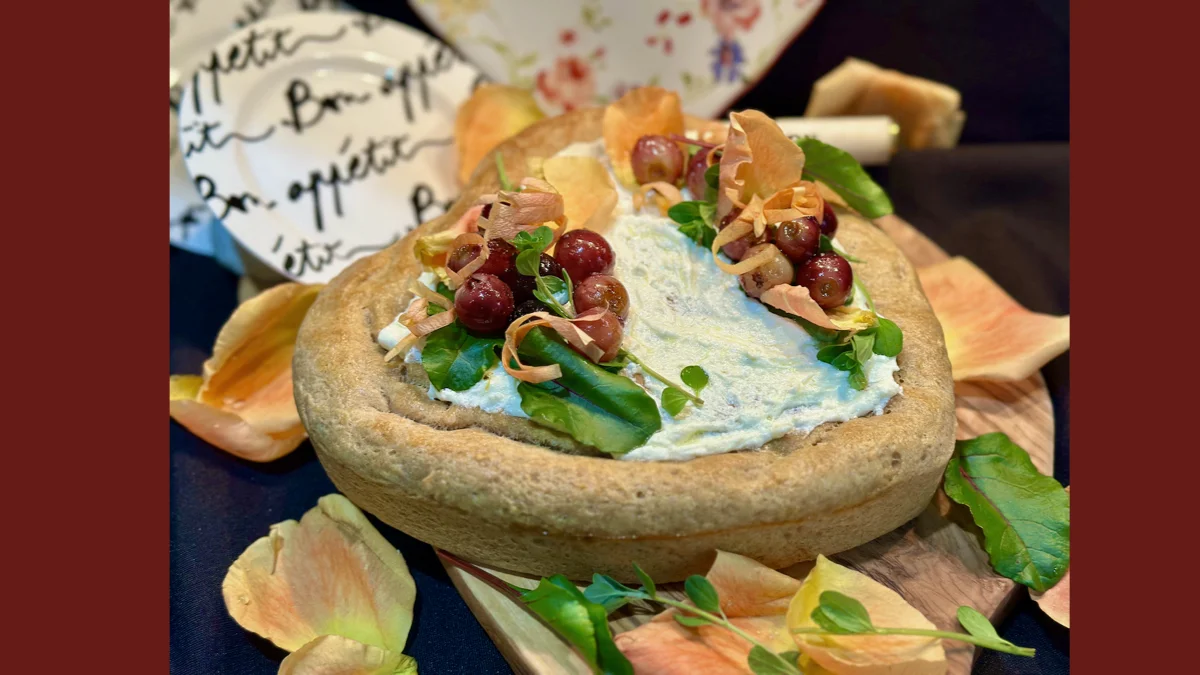
Sugared rose petals add texture and sparkle to even the simplest homemade cakes. They reflect light on top of a frosted cake like miniature stained glass panes. Both rose petal syrup and sugared rose petals perform an exceptional role in baked treats; they appeal to more than just flavor, as you’ll discover in my Purple Potato Crepe Cake with Roses, where petal syrup is brushed onto each layer before assembling and culminated with a sprinkle of rose petals.
Rose petal syrup gradually seeps into cakes and glazes, carrying a gentle floral fragrance that rises before the initial bite. It doesn’t overpower. It remains present. Brushed over warm sponge, layered crepes, or blended into buttercream, it introduces a softness, a subtle aromatic hint that feels nostalgic and tender. The flavor is nuanced, slightly sweetened with a touch of honey, almost reminiscent. You don’t merely taste “rose”; you experience it.
Rose-Infused Vodka – Repurpose Roses For Upcoming Cocktails
There is something irresistibly enchanting about steeping rose petals in vodka. It feels akin to crafting a fragrance for a cocktail.
Fresh, aromatic, unsprayed Edible Flower Petals are gently placed into a clean glass jar and submerged in vodka, clear and still, awaiting transformation. Within hours, the liquid starts to develop a blush. In a day or two, it intensifies, softly pink, delicately fragrant, infused with the gentle essence of the rose.
The vodka becomes smoother, less sharp. The floral notes aren’t loud; they linger. They hover just beneath sweetness without actually being sweet. It embodies elegance in liquid form.
Strain the petals, and what remains is a homemade flavor booster that transforms ordinary cocktails into the extraordinary.
A splash in a martini softens the contours.
A drizzle in sparkling wine creates an ambiance reminiscent of an evening garden.
Mixed with lemon and honey, it radiates warmth.
Added to tonic, it elevates a simple drink into something intentional and sophisticated. Floral Essence Cocktails are truly a marvel!
Repurposed Rose Petals For Ice Cubes
If you genuinely wish to elevate a cocktail, encase a rose within it.
Rose petal ice cubes are straightforward, yet they convey an unparalleled luxury. Fresh, unsprayed Edible Fresh Flower Petals are carefully placed into ice cube trays, then enveloped in distilled or boiled-and-cooled water (for crystal clarity). As they freeze, the petals remain suspended in time, crimson, blush, or ivory encapsulated in glass-like clarity.
What surfaces appears less like ice and more like an artwork.
When dropped into a flute of champagne, the cube hovers and gradually releases tiny air bubbles that adhere to the petals. In a clear cocktail—be it gin, vodka, or sparkling water—the rose seems to blossom again, gently dancing as the ice melts. Even a simple lemonade transforms into something deserving of fine linen and candlelight.
There is something truly enchanting about witnessing the petals of roses, or any other edible flower, reveal themselves as the cube melts, first faintly magnified, then gently liberated.
https://www.youtube.com/watch?v=kouAknJcMVI[/embed>
Organic Roses For Beauty Products and Health Benefits
This enumeration could be extensive, simply because the advantages of rose water are remarkably broad. Trust me, it’s not merely the scent that renders rose water benefits so sought after.
Let’s address Skin Irritation – Concentrated rose water extraction possesses potent anti-inflammatory properties.
While it provides health benefits that assist with internal inflammation, such as IBS or other irritated internal conditions, let’s focus on the topical inflammation many of us contend with periodically.
Sensitive skin is the most susceptible to
skin conditions such as eczema (a dry, itchy, rash-like irritation on the epidermis) and rosacea (prominent blood vessels on the face), both of which require soothing treatment.
Applying a mist of pure rose water on the irritated regions, using it as a facial toner or a homemade rose water blend added to a witch hazel spray, will ease these outbreaks and alleviate the symptoms.
Having worked as a professional cosmetologist for numerous years, I’ve developed many of my own formulations derived from natural ingredients.
For instance: I consistently utilize Henna, a natural hair coloring agent, to shade my eyebrows. Rosewater is routinely employed both to blend the henna powder and apply afterward to prevent any potential skin irritations.
Withering Roses – When Dried – Enhance The Home With Luxurious Potpourri
Even as roses start to wilt, they still have more to offer.
As petals become pliable and edges curl, there exists a subtle elegance in drying them. Collect the fading blooms and suspend them upside down in a cool, shaded area. Time works its magic. The petals deepen in hue, blush turns vintage, red shifts to burgundy, and ivory evolves into parchment. Their aroma becomes gentler, warmer, and more nostalgic.
Once completely dried, spread in a shallow bowl on a nightstand, it fragrances the space with the faintest floral hint. It transforms into a natural home fragrance concept, neatly packed into drawers, leaving a hint of romance in the folded linens. Placed in a glass bowl near the entrance, it welcomes visitors not with an overpowering scent, but with something delicate and personal.
There is charm in this transition.
The roses you once received in full bloom, perhaps for Valentine’s Day, an anniversary, or a regular Tuesday that felt extraordinary, are not discarded. They are preserved. Their shape alters. Their role changes. Yet they remain.

Post Comment