WOOD – For Cooking and Ambiance
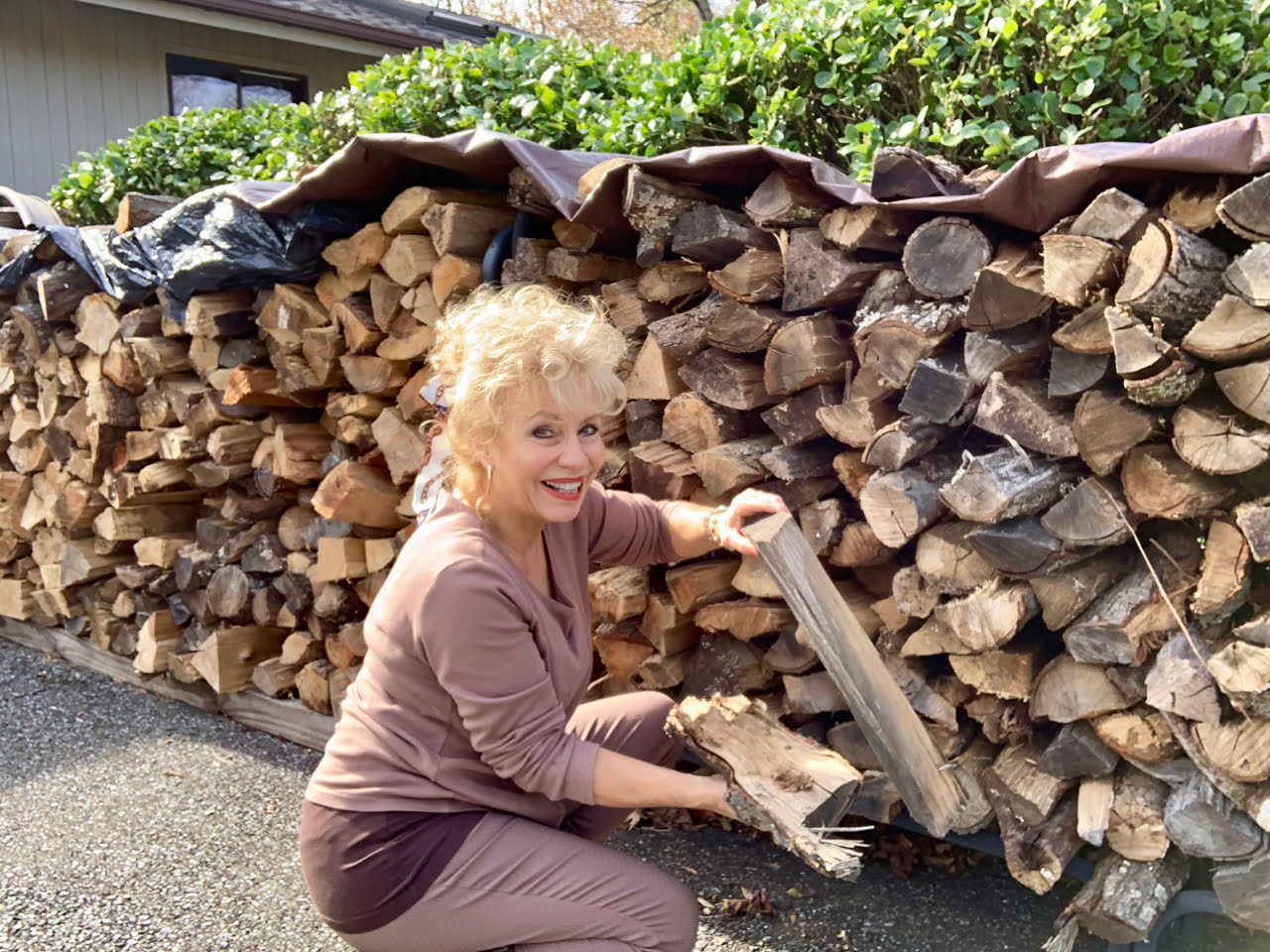
Not all timber is created the same, so let’s discuss which wood is ideal to ignite for cooking or atmosphere.
Fire
Who doesn’t appreciate the comfort and vitality of a fire! During the winter months, a fire renders the home inviting, even if it’s merely the flicker of candlelight.
Not all fireplaces emit warmth (I know mine doesn’t even though it’s substantial), but there is something about lighting a fire at day’s end that makes me feel cozy while relishing the energy and sounds it produces.
In summer, though, my thoughts of fire shift to outdoor cooking. While here in the United States most outdoor cooking involves a propane flame or charcoal (already burned wood), Brazil takes a different approach to outdoor cooking with fire, sometimes even indoors.
Wood
Which wood is optimal for the different kinds of fire we wish to create? I had to learn this through experience.
Pine. While pine is the type of wood or rather tree we seek most during the festive season, it is not the wood to ignite.
We adore pine due to its remarkably fragrant aroma. The needles and the wood itself seem to emit fragrance. That’s because it does… emit.
The resin in pine, and all types of evergreens, is what provides that delightful scent we correlate with the holiday period, but that resin is terrible for cooking. It releases an almost black smoke that compromises the flavor of the food.
That same black smoke, in your fireplace, also contributes to lining the inside of the chimney with creosote (a tar-like substance). Pine is a soft wood and combusts quickly. A chimney requires a truly hot, steady burn to avoid damaging it with a layer of creosote, formed from the resin in wood.
Seasoning Wood
While numerous other types of wood are better suited for cooking, particularly fruit or nut trees, they all require seasoning first to attain the optimal burn and taste.
Seasoning wood merely signifies that it should rest outside to dry. Dry out? Yes, freshly cut wood contains nearly 50% moisture. That hissing and slow smoke in your fire is, in fact, water. More steam than flame.
Summer is the ideal time to collect and season wood. The warmth of summer helps in drying the wood out. Store it outside, elevated from the ground and allowing airflow around the wood stack.
When you are prepared to burn, strike two logs together to hear the sound they create. A ringing sound indicates they are dry, while a dull sound implies they are still damp.
When To Order Wood
If possible, request your wood during the summer months. This guarantees that you’ve allowed it ample time to dry.
There have been moments when I delayed until the holidays to order wood. The darn material was still green, filled with moisture, and failed to ignite.
Wood for grilling will dry more rapidly if it has been split and cut into smaller pieces and left to sunbathe. But again, avoid wood with high resin concentration; pine, cedar, spruce, fir, eucalyptus, and others with strong scents usually indicate resin presence.
Cooking With Fire
If cooking directly on the grill, you already know the grill consists of cast iron. If using a pan over the fire, opt for cast iron. Cast iron delivers superior heat conduction, especially over flames.
Olive oil and salt are all that’s needed when cooking over a fire. Coat your meats, seafood, or vegetables with olive oil, sprinkle with coarse salt, and cook. Any additional flavor is merely a matter of personal preference.
Long metal kabob skewers are my preferred tools for cooking over fire. I find them easy to handle and the food cooks quicker on them.
Ingredients Needed
- Calamari
- Small eggplant
- Tiny peppers
- Fresh herbs – rosemary, parsley, basil
- Olive oil
- Citrus
- Garlic
- Coarse salt
Necessary Equipment
- Mixing bowl
- Slotted spoon
- Grilling tongs
- Slotted grill topper
- Grill basket – one that secures vegetables in place
- Grill or grate over a firepit
- Citrus juicer
- Garlic press
- Chopping knife
- Cutting board
- Basting brush
- Measuring cup
- Measuring spoons
- Grill glove – a heavy-duty one for the hands
- Grill
- Calamari – 1 lb
- Small eggplant – 8 (fairytale eggplant)
- Tiny peppers – 8
- Fresh herbs – 2 sprigs each, rosemary, parsley, basil
- Olive oil – 1/4 cup
- Citrus – 1
- Garlic – 2 cloves
- Coarse salt – 2 tsp
-
Detach the calamari tentacles from the tubes. Combine with 1 tbsp of olive oil, 1 crushed garlic, 1/2 lemon juice and zest, as well as a pinch of salt. Arrange on a cast iron grill topper. Chop some of the herbs atop and set aside.
-
Slice the fairytale eggplant in half, lengthwise, and do the same with the peppers. Toss with 1 tbsp of olive oil, the remaining lemon and zest, the leftover crushed garlic, salt, and place in a grill basket that encloses the vegetables.
-
Heat the grill. Position the vegetable basket on one side for 10 minutes, flip it over, and place the calamari tray alongside it. Grill for 5 minutes, applying more olive oil if necessary. Remove and serve.

Post Comment