Crispy Oysters on the Half Shell with Mac and Cheese
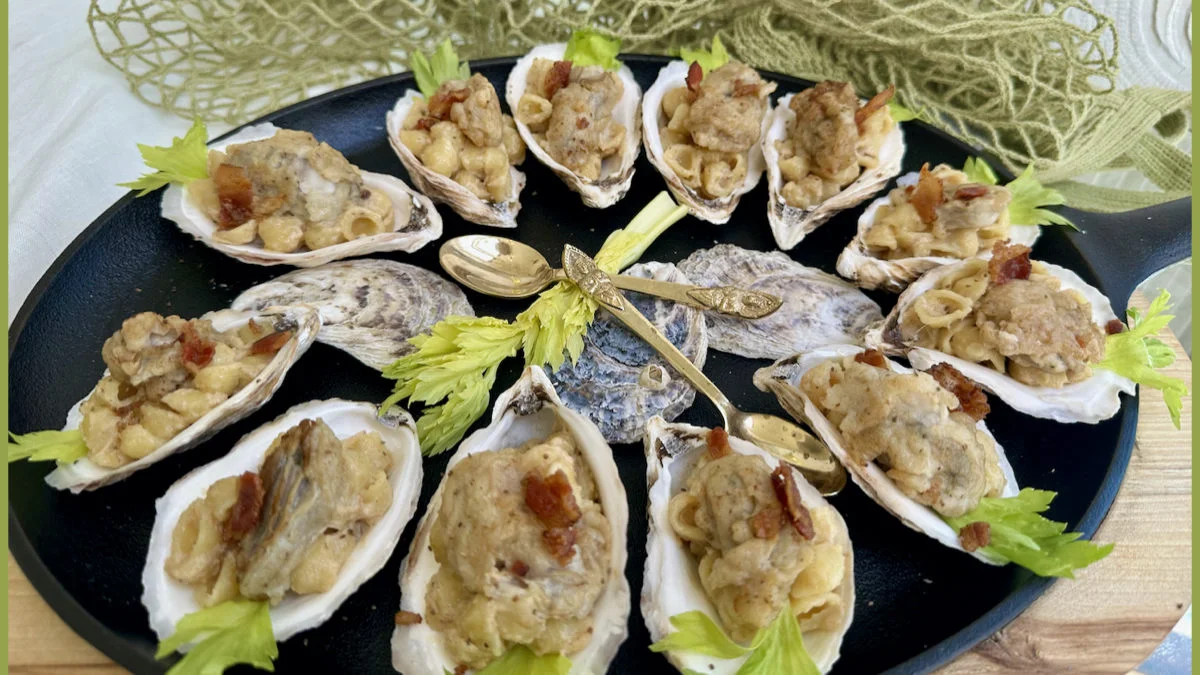
Crunchy oysters presented on the half shell atop luscious mac and cheese, garnished with bacon for a sophisticated and luxurious starter ideal for hosting.
Cozy Cuisine on the Half Shell
Some dishes carry a sense of belonging to a specific moment, a bit unconventional, a touch indulgent, and meant for sharing. This is one such recipe.
Crunchy oysters laid over rich mac and cheese, served directly in the shell, blend comfort and sophistication in a manner that continually astounds diners. The depth of the cheese, the crunch of the oyster, and the smoky essence of bacon create a harmony that feels both familiar and entirely novel.
This is the type of starter that captures attention when it lands on the table, ideal for gatherings, memorable moments, or simply when you wish to present something that feels slightly extraordinary.
And each year, right alongside the stews and roasts, Oyster Liquor Chowder, or Oyster Stew, this delightful little treat makes its grand comeback.
What Is The Flavor Profile Of This Oyster Mac and Cheese?
This dish marries creamy, cheesy pasta with crunchy, subtly seasoned oysters. The oysters impart a gentle salinity that balances the richness of the cheese, while the bacon adds a smoky, savory finish.
Reasons To Adore These Oyster Mac and Cheese Bites
- Chic, restaurant-quality presentation
- Marries comfort food with seafood elegance
- Crunchy, creamy, and savory in every mouthful
- Ideal for hosting or special celebrations
- Distinctive and unforgettable starter
Oyster Shells Convey A Message About The Environment
Naturally, one of my favorite aspects of this dish is the presentation. Serving the mac and cheese and fried oysters right in their oyster shells makes each serving feel unique, almost like a little edible souvenir from the Bay. Oyster shells are nature’s ideal serving vessels, rustic, lovely, heat-resistant, and deeply connected to the narrative of where our food originates.
Yet, in this region, oyster shells represent more than just attractive serving pieces; they are crucial for the restoration and safeguarding the Chesapeake Bay. Each shell has the ability to become a new habitat for juvenile oysters, referred to as spat. Oysters can only thrive when they have clean, sturdy shells to adhere to, and for generations, watermen have understood that returning shells to the waters is among the most effective methods to bolster the subsequent season’s yield. That’s the reason numerous local seafood markets and conservation initiatives advocate shell recycling. It’s a cycle that sustains the Bay; oysters purify the water, fresh shells nurture new life, and the Bay continues to nourish us in return.
Details About The Ingredients For The Sautéed Oysters
Before the lightly battered oysters adorn each shell, they undergo a quick, tasteful dredging and gentle sautéing that produces their golden, irresistible crust. It’s a straightforward method, but each ingredient contributes significantly to cultivating that salty, crispy, buttery flavor you desire in the final bite.
- Fresh oysters (never frozen) – There’s no alternative for freshness. Oysters straight from the shell possess that clean, salty sweetness that frozen cannot rival; also, a pint of freshly shucked oysters will include some of the oyster liquor we intend to mix into the cream for the mac and cheese. Using fresh oysters also allows the flavors of the Chesapeake Bay to shine, something you can genuinely appreciate in a recipe this straightforward.
- Flour – A simple, seasoned light dusting is all that’s necessary. The flour provides the oysters with a delicate coating that aids in achieving an even brown and developing that lightly crispy exterior when they sauté in butter. It also serves as a base for holding the seasoning, so the flavor clings to each piece rather than sliding off.
- Old Bay Seasoning – As we discuss a Chesapeake recipe, Old Bay practically ingrains itself in the dish. Its mixture of paprika, celery salt, mustard, and warm spices adds a savory kick that enhances, rather than conceals, the natural oyster flavor. It
gives the dredge a coastal warmth and familiar Chesapeake aroma that rises from the pan the instant the oysters encounter the heat.
- Bacon strips – The bacon fulfills two functions: flavor and texture. Firstly, cooking a few strips in the pan prior to adding the oysters provides a foundation of smoky, salty richness that seeps into the butter and enhances each bite. Secondly, these crispy bits are crumbled over the cooked shells, contributing the crunch and salty impact that unites everything. Bacon and oysters have had a long-standing friendship, and in this recipe they truly shine.
- Butter – The butter introduces the final layer of indulgence. Once the bacon is rendered, the oysters fry in a combination of the bacon drippings and butter, crafting a pan that emits an aroma reminiscent of pure bliss. The butter promotes browning in the oysters, adds a silky richness, and creates those tiny, golden, nutty edges that render this dish so addictive.
Prepared in this manner, the oysters emerge as the focal point of the dish before they even interact with the mac and cheese. They are flavorful, lightly crisp, and brimming with that buttery, smoky Chesapeake essence that compels people to go back for seconds.
About The Mac and Cheese Ingredients
The mac and cheese filling each oyster shell is rich enough to stand alone, yet gentle enough to allow the oysters to be the stars. It’s creamy, coastal, and slightly indulgent, exactly what a cool-weather comfort dish ought to be. Here’s what each component contributes to the bowl:
- Butter and flour (for the roux) – This classic duo is the cornerstone of any good mac and cheese. The butter melds with the flour to create a smooth, golden paste that thickens the sauce without weighing it down. A well-made roux gives the mac and cheese that velvety, spoon-hugging texture, the kind that clings affectionately to each piece of pasta.
- Cream – This is where the luxury emerges. By using cream instead of milk, the sauce becomes lush and silky. It provides the mac and cheese with the structure it requires to sit comfortably in the oyster shells and hold its own beneath the fried oysters.
- Oyster liquor – This is the hidden ingredient that connects the entire dish back to the Bay. Oyster liquor (also the foundation of my Oyster Chowder) adds a subtle brininess, a hint of the sea, without overpowering the cheese. It intensifies the flavor, brings complexity, and transforms an ordinary mac and cheese into a coastal gem. It’s the sort of ingredient that prompts guests to pause, savor, and ask – What is that exquisite flavor?
- Garlic – Just a hint of garlic enhances the creaminess and prevents the sauce from becoming monotone. It introduces warmth and aromatic depth, blooming gently in the butter while adding a savory undertone in the background.
- Old Bay seasoning – Old Bay infuses the sauce with its unmistakable coastal essence. A sprinkle incorporates that familiar Chesapeake spice blend into the mac and cheese, just enough to complement the oyster liquor without overpowering it.
- Cayenne – A mere pinch provides a gentle lift, more of a whisper than a jolt. It brightens the sauce, balances the richness, and gives each bite a small touch of warmth. It harmonizes beautifully with the salty bacon crumble that completes the dish.
- Gruyère cheese – Gruyère melts effortlessly. Its nutty, mellow flavor elevates the sauce, making it taste immediately more refined, creamy without being overly sharp, and rich without being excessively heavy. It’s the cheese that adds depth.
- Mozzarella – A touch of Mozzarella contributes the stretch and creaminess desired in any mac and cheese. It complements the Gruyère, giving the sauce that delightful melt-in-your-mouth quality we all cherish.
- Tiny shell-shaped pasta – Could there be a more fitting selection? These petite shells embrace the cheese sauce beautifully and mimic the shape of the oyster shells they’re served in. Each one transforms into a tiny pocket of creamy comfort, a playful nod to the dish’s theme.
- Celery heart leaves (for garnish) – These delicate pale-green leaves introduce a bright, fresh finish. Their mild herbal note counters the richness, and their feather-like edges lend an air of elegance to each shell. It’s the small detail that makes the presentation feel intentional and sophisticated.
Equipment You’ll Require For These Half Shell Delicacies
This recipe comes together effortlessly with just a few dependable kitchen tools. Each one plays a straightforward but crucial role in achieving perfectly sautéed oysters, silky smooth mac and cheese, and a final presentation as delightful as the dish deserves.
- Large sauté pan – This is where the magic occurs. A broad, sturdy sauté pan provides the oysters ample space to cook uniformly and develop that lovely golden crust. It also allows the bacon to render properly and enables the butter to brown just enough to season the oysters without scorching.
- Small saucepan – You’ll require only a modest quantity of pasta for this recipe, making a small saucepan ideal. It brings the shell pasta to a tender bite swiftly and simplifies cleanup.
- Wide slotted spoon – This tool facilitates transferring the sautéed oysters with ease. The wide bowl retains the oysters without disturbing their delicate coating, while the slots allow excess butter and bacon drippings to drain away cleanly.
- … Every excellent mac and cheese begins with a wooden utensil. It’s soft on your cookware, perfect for mixing the roux, and superb for incorporating the cheese into the warm cream sauce without excessive agitation.
- Measuring jug and measuring spoons – Even in a quaint, instinctual recipe like this, precision is crucial, particularly when balancing the cream, oyster liquor, and spices. These tools assist you in maintaining balance so the sauce turns out flawlessly each time.
How to Craft Crispy Oysters with Mac and Cheese
Step 1: Boil the Pasta: Heat salted water and cook shell pasta following the package instructions. Drain and set aside.
Step 2: Fry the Bacon: In a frying pan over medium heat, cook bacon until crispy. Take out and set aside.
Step 3: Prepare the Oysters: Combine flour and seasonings. Coat oysters in the mixture.
In the same frying pan, melt butter and sauté oysters until softly golden. Remove and set aside.
Step 4: Create the Cheese Sauce: In the same frying pan, melt butter over low heat. Incorporate flour and spices, whisking into a paste. Gradually add cream, oyster liquor, and garlic. Whisk until it reaches the desired thickness.
Step 5: Incorporate Cheese and Pasta: Gently mix in cheeses, then carefully fold in cooked pasta until it’s well coated.
Step 6: Assemble: Preheat oven to 400°F. Arrange oyster shells on a baking tray.
Spoon a portion of mac and cheese into each shell, topping with an oyster and a piece of bacon.
Step 7: Conclude: Bake for around 40 seconds, just to heat through.
Garnish with celery leaves and serve immediately.
Suggestions for the Finest Oyster Appetizer
- Avoid overcooking the oysters to maintain their tenderness
- Select high-quality cheese for optimal flavor
- Ensure the mac and cheese stays creamy, not dry
- Assemble just prior to serving for the best texture
Alternatives and Modifications
- Replace bacon with pancetta
- Substitute cheddar for Gruyère
- Incorporate herbs like parsley or chives
- Add heat with extra cayenne
When to Present This Dish
- Festive gatherings
- Dinner soirées
- Special celebrations
- Refined appetizers for entertaining
How to Store
- Best served freshly prepared
- Store components separately if necessary
- Reheat gently to prevent overcooking oysters
Commonly Asked Questions
Can I utilize pre-shucked oysters?
Yes, as long as they are fresh and adequately drained.
Can I prepare this in advance?
Make the mac and cheese and oysters separately, then assemble just before serving.
What if I lack oyster shells?
You can serve this in small ramekins or appetizer bowls.
Are oysters fully cooked in this recipe?
They are lightly sautéed and then gently warmed, ensuring they remain tender.
More Mac and Cheese Recipes to Adore
One of my personal favorites is Mac and Cheese Crab Rolls, a recipe that first premiered on Food Network’s Clash of the Grandmas, created right there on set. Wrapped in crisp, buttery phyllo pastry, accompanied by creamy Gruyère, and seasoned with nothing less than Old Bay.
Then there’s the coziest post-Thanksgiving dish you’ll ever prepare: Mac and Cheese Turkey Rolls. Also nestled inside phyllo, this variation embraces the flavors of the festive table—celery, sage, and tender leftover turkey—folded into a creamy mac and cheese filling that encapsulates the finest elements of Thanksgiving dinner all over again.
Oysters – A Family And Maryland Tradition
Part of the reason this dish feels so integral to my cold-weather cooking is that oysters are not just an ingredient in my kitchen; they are part of my family narrative. A relative of ours is a fourth-generation waterman on the Chesapeake Bay,
Captain Alan Poore, and he consistently indulges us with the finest seafood the bay provides.
As the temperatures fall and the breeze invigorates over the water, he fetches the most exquisite, cold-water oysters, plump, salty, and abundant with that distinctive Chesapeake sweetness that arises only when the air turns brisk.
-
Small saucepan
-
Saute pan
-
12 oyster shell halves
- Oysters
- 1 pint Oysters not frozen
- 1/2 cup Flour
- 1 tsp Old Bay Seasoning seafood seasoning
- 2 Bacon strips
- 2 tbsp Unsalted butter
- Mac and Cheese
- 3 tbsp Unsalted butter
- 1 tbsp Flour
- 1/4 cup Cream
- 1 tbsp Oyster liquor, or more or fish sauce
- 1 Garlic clove crushed
- 1 tsp Old Bay Seasoning
- 1 pinch Cayenne pepper, optional
- 4 oz Gruyere cheese
- 2 oz Mozzarella
- 1/2 cup Shell pasta small, dry
- Water for cooking pasta
- 12 Celery leaves garnish
-
Oyster Preparation
-
In a 2 quart pot, heat water with a dash of salt and cook the pasta as instructed on the package. Drain and set aside.
-
In a large frying pan, cook the bacon strips over medium heat until crispy. Take out of the skillet and set aside.
-
Combine the half cup of flour and teaspoon of seasoning. Coat at least 12 oysters in the seasoned flour blend and set aside. If the oysters are particularly small, you can place 2 per shell.
-
In the same pan where the bacon was prepared, melt two tablespoons of butter over medium heat and lightly sauté the floured oysters until a golden crust forms, but be cautious not to overcook them. Remove and set aside.
-
Mac and Cheese Preparation
-
In the same skillet used for the oysters, melt the butter over low heat. Introduce the tablespoon of flour, spices, and a dash of salt. Whisk until it becomes a paste.
-
Swiftly blend in the cream, tablespoon of oyster liquor (or more as necessary for a smooth, creamy paste), and minced garlic. Whisk until the blend begins to thicken.
-
Incorporate the cheeses and switch off the heat. Add the pasta and gently mix until it is thoroughly coated with the cheesy blend.
-
Serving
-
Preheat the oven to 400. Arrange the oyster shells on a baking sheet, ensuring that each remains in position.
-
Spoon a generous tablespoon into each oyster shell. Place one cooked oyster atop each, followed by a half-inch piece of crispy bacon.
-
Slide the sheet pan into the oven for 40 seconds, just enough to heat without cooking the oyster further.
-
Take out from the oven, place a sprig of celery leaves on each shell, and serve.
If you attempt these crispy oysters on the half shell, I’d be eager to hear how you served them. Did you keep them traditional or put your own spin on them? Leave a comment below or save this recipe for your next gathering; it’s one that consistently impresses.

Post Comment